
how-to
Where Should You Sell Silver Coins for the Best Price?
Editorial Team · · 10 min read
Last Updated: November 22, 2026
Quick Summary
You can sell silver coins at a local coin shop or bullion dealer, through online dealers and marketplaces, at auction houses, or in private sales. Local shops pay same day but below spot, while online and auction channels move slower and carry fees, so compare every offer on net terms.
- A local coin shop or bullion dealer is the fastest path to a real offer and same-day payment.
- Online auction buyers often pay only melt value unless a coin has unique characteristics.
- Melt value is silver content times spot price; collector value can sit far above melt.
- Compare offers on net after fees, shipping, and commission, not on headline numbers.
- Request competing bids and get the terms in writing before you commit to any buyer.
Table of Contents
- Where to Sell Silver Coins: Your Real Options
- How to Identify Real Silver Coins Before You Sell
- How to Value Silver Coins: Melt Value vs. Collector Value
- Comparing Offers: A Simple Method to Pick the Best Deal
- Get a No-Pressure Valuation Before You Sell
- Frequently Asked Questions
Where to Sell Silver Coins: Your Real Options
If you're wondering where to sell silver coins, there's no single best channel. The right choice depends on what you're holding, how fast you need the money, and how much legwork you'll do. This guide breaks down every realistic option and how to compare them.
Here's the part most guides skip: the most convenient channel is rarely the one that pays the most.
Local coin shops and bullion dealers
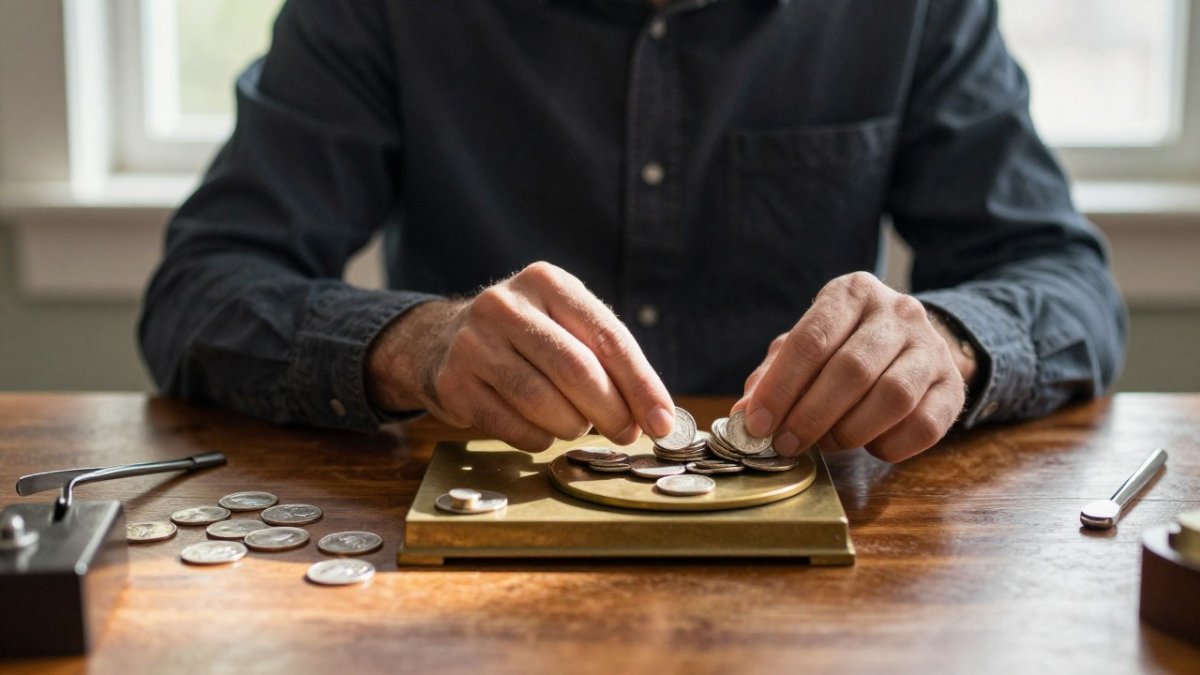
A local coin shop or bullion dealer is the fastest path to a real offer, and it's where we'd point most first-time sellers. You can see how bullion coins are bought and sold by weight, weighed and documented in front of you.
The catch is that a shop has to resell your coins, so its offer typically sits below the live spot price. Ask any dealer to explain their margin.
Online dealers and marketplaces
Online dealers and marketplaces let you sell from home, but the process moves slower and the terms vary widely.
Here's where the myth shows up. JM Bullion's guide to selling silver for melt value notes that online auction buyers often pay only melt value unless a coin has unique characteristics.
Watch out: shipping valuable coins without insurance or tracking is how sellers lose money and metal at once.
Auction houses and private sales
Auction houses and private sales suit sellers with genuinely rare or collectible coins, not stacks of common bullion. An auction house takes a commission, but it can reach specialist buyers who pay for rarity.
Private sales, whether to a collector or through a forum, can beat dealer offers on the right coin. They also carry the most risk: no authentication, no recourse if a payment bounces, and no paper trail unless you build one.
How to Identify Real Silver Coins Before You Sell
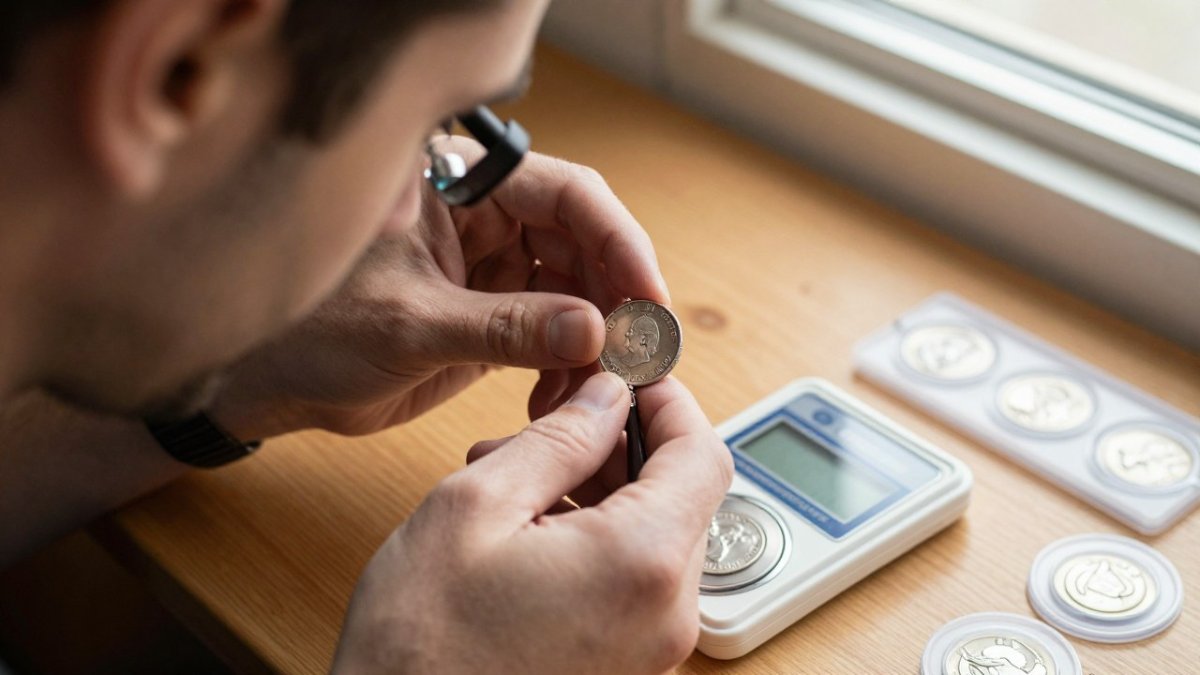
Before you sell silver coins, confirm they're actually silver.
Counterfeits are common enough that careful sellers check every batch. So should you. If a coin's weight feels off or the details look soft, set it aside and get a second opinion.
For a step-by-step walkthrough of the tests that actually work, see our guide on how to identify real silver.
How to Value Silver Coins: Melt Value vs. Collector Value
Silver coin value comes down to two numbers: melt value and collector value. Melt value is the silver content multiplied by the live spot price. Collector value, or numismatic value, is what a buyer will pay for rarity, condition, and demand, and it can sit far above melt.
Most common coins sell near melt. A worn 90% silver coin is junk silver, valued for its silver content, not its date. A key-date coin in good condition is a different story.
To judge whether an offer is fair, check the live spot price first. Our current gold and silver prices page shows spot per troy ounce, updated during market hours, so you can compare an offer against the real number instead of a guess.
Reading the coin: purity, weight, and condition
Purity tells you how much of the coin is silver. Weight tells you how much metal is there. Condition tells you whether a collector will care.
- Purity: sterling is 92.5% silver; many modern bullion coins are .999 fine or higher
- Weight: weigh in troy ounces, not standard ounces
- Condition: scratches, cleaning, and wear cut collector value fast
Cleaning a coin is the mistake nobody warns you about. Polishing removes the surface a collector pays for, and it can turn a valuable coin into a melt-only one.
How to spot a coin that's worth more than its silver
This is the step many sellers skip, and it's where the money hides. Before you accept a melt-based offer, run through the factors that push a coin past its metal value:
- Date and mint mark. Some dates were struck in small numbers, and a small mint mark on the reverse can multiply the value. Compare against a published coin guide or a dealer's reference before you assume it's common.
- Condition and grade. Collectors grade coins from About Good up to Mint State. An uncirculated coin with original luster can be worth many times a worn example of the same date.
- Rarity and survival. A coin can be common in general but rare in high grade. The population of surviving examples in top condition is what specialist buyers pay for.
A common pattern is that sellers lump everything into one box and take a single melt offer, then find out later that one coin in the pile was the valuable one. Sort first, then negotiate.
When to get an independent appraisal
If you suspect a coin is rare, in high grade, or an error variety, an independent appraisal is worth the cost before you sell.
Watch out: a dealer who offers to buy your coins and also tells you they're worthless is giving you a bid, not an appraisal. Get a second opinion on anything that looks unusual.
Comparing Offers: A Simple Method to Pick the Best Deal
The best deal isn't the highest headline number; it's the highest net amount after fees, shipping, and commission. A dealer quoting 95% of spot on a local pickup can beat an online quote of 98% once you subtract insured shipping and a week of waiting. Run every offer through the same math.
The comparison checklist
- Get the live spot price for the day
- Ask each buyer how the offer relates to spot (a percentage, not a vibe)
- Subtract commission, shipping, insurance, and transaction fees
A worked example
Say you have 10 troy ounces of 90% junk silver and spot is $30 per troy ounce. The melt value is about $300 (10 oz × 90% × $30). Now compare three realistic offers:
- Local coin shop: offers 90% of melt, pays same day by check. Net: about $270, no shipping, no waiting.
- Online dealer: advertises 95% of melt but you pay insured shipping, and payment arrives after the coins are verified. If shipping and insurance run $25, your net is about $260, and you wait a week or more.
- Online marketplace: a buyer pays near melt, but the platform takes a commission and you handle shipping and insurance yourself. After fees and shipping, the net often lands below the local shop.
Run the numbers and the "lower" local offer wins on net. That's the point: compare net, not headline.
What to ask before you commit
Ask each buyer three questions: How is the offer calculated relative to spot? Is the quote locked, and for how long? What exactly gets deducted before I'm paid? A buyer who can't answer those plainly is telling you something.
Watch out: a quote that's "subject to inspection" can shrink after your coins are in someone else's hands. Get the terms in writing, including how disputes are handled and who pays return shipping if you decline the final number.
Timing and competing bids
For anything with collectible value, request competing bids and let each buyer know you're gathering offers. Quote windows are usually short, so line up your options before you commit.
| Channel | Speed | Fees to expect | Best for |
|---|---|---|---|
| Local coin shop or dealer | Same day | Dealer spread below spot | Fast, transparent cash sale |
| Online dealer | Days to weeks | Shipping, insurance, possible spread | Sellers who want to ship and wait |
| Online marketplace or auction | Weeks | Listing and commission fees | Rare coins with unique appeal |
| Auction house | Weeks to months | Seller's commission | High-value collectibles |
| Private sale | Varies | None, but higher risk | One-off rare coins |
Run every offer through that list and the winner usually becomes obvious. If two offers are close, the one with a documented, in-person valuation and same-day settlement is the safer bet.
Get a No-Pressure Valuation Before You Sell
You don't have to decide anything to find out what your coins are worth.
Bring in a small collection or a whole estate box. If you're not sure where to start, visit us or send a message and we'll walk you through it.
Selling silver coins shouldn't feel like a gamble. The sellers who do best check spot, understand melt versus collector value, and compare offers on net terms instead of headline numbers.
Frequently Asked Questions
What is the best way to sell silver coins?
There is no single best channel for every seller. Local coin shops let you watch the valuation and walk out with same-day payment, while online dealers may reach a wider buyer pool but add shipping and wait time. Compare at least two offers on the same coins, check each buyer's reputation, and confirm how the price relates to the live spot price before you commit.
How much is 1 oz of silver coin worth today?
It depends on the live spot price and the coin's condition. Dealer offers on standard one-ounce silver bullion coins vary, so compare the offer against the current spot price. Rare or key-date coins can go higher. Check the current spot price the same day you sell, and ask the buyer how their offer is calculated.
Should I sell silver coins to a dealer or online?
A local dealer is usually the faster route: you get an in-person valuation, can ask questions, and often receive same-day payment by cash or check. Online selling can work well for collectible coins that benefit from a bigger audience, but account for shipping costs, insurance, and the risk of a lower final bid. For ordinary bullion, a dealer offer near spot is often simpler and safer.
What should I do before selling a collection of silver coins?
Separate bullion from anything that looks collectible, note dates and mint marks, and look up melt value using the current spot price. Photograph the coins and keep a written inventory. Get a quote from a dealer you trust, ask how the number was reached, and take a day to think it over if you need one. A fair buyer will not pressure you to sell on the spot.
